Your Year-End Financial Review: A Simple 3-Step Guide

Happy December! With the holiday season upon us, we expect most people to be preoccupied with the various holidays and parties. We know we certainly are! But if you find a bit of quiet time amid the rush, we’d encourage you to spend it doing something truly festive: conducting your own personal year-end financial review with just you and your family.
Alright, maybe that’s not exactly festive. But it is important. A financial review is a great way to determine exactly how your year went, so you know what mistakes to avoid next year, and which successes to replicate. It’s a chance to take stock: are your finances in the shape you want them to be? Did you accomplish the things you wanted to this year? Have you moved closer to your goals, or farther away?
Of course, you can do a review like this at any time…but there’s something about the end-of-the-year that really brings clarity. Here’s how we would do it:
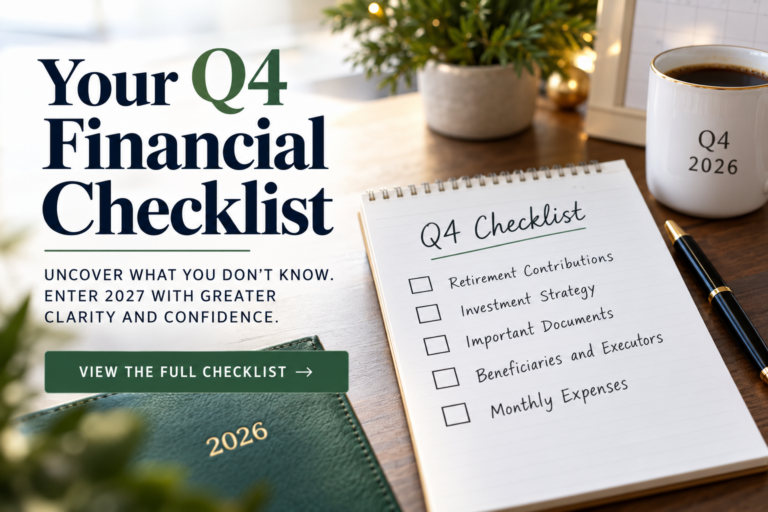
1. Write down the following questions on a piece of paper:
- What were the best things that happened to me this year?
- What were the worst things?
- How much did I set aside in savings this year?
- How much did I invest, and how did my investments do?
- Did I take on any new debt this year?
- Did I pay my taxes on time, or did I have to apply for an extension?
- Have there been any changes in my life that could affect my will or insurance needs? (Think new kids/grandkids, illness concerns, new property or other possessions, etc.)
- Do I have a better idea about when and how I can retire, or is the situation foggier than ever? Did I even give it any thought?
- Did I spend the year doing enough of what I wanted to do, or only the things I had to do?
2. Think about these questions for a little bit. Discuss them with your family. Then write down the answers below each.
3. After you have the answers, study them to determine if they indicate the need for any financial changes or decisions for next year. For example:
- Why did the best things happen to you? Were they the result of any financial decision? If so, can you replicate that decision?
- Why did the worst things happen? If you did something different with your money, could one or more of those things have been avoided?
- Did you put more into savings this year, or spend more in debt? If so, can that be reversed next year?
- Do you feel closer to your personal and family goals, or further away? If closer, what activities or habits took you closer that you can replicate? If further away, what’s the single biggest reason?
And so on. You get the idea. After you’ve completed this exercise, you’ll have the beginnings of a plan in place for next year. A plan to make your finances healthier. A plan to make your family more secure. A plan to spend more time doing what you want to do instead of solely what you must do. A plan to make next year the best year ever.
That end-of-year review turned out to be insightful. And worth the few minutes it took to conduct it.
If you have any questions or need help with anything the review uncovered, feel free to let us know. We’d be happy to talk with you and do what we can.
In the meantime, happy December! Happy reviewing!